
- Four London clubhouses, one connected membership
- Website, native iOS and Android apps and a custom back office
- UI design, frontend build and platform integration
- Headless WordPress, React and React Native
- Office and workspace booking platform


One membership, four clubs
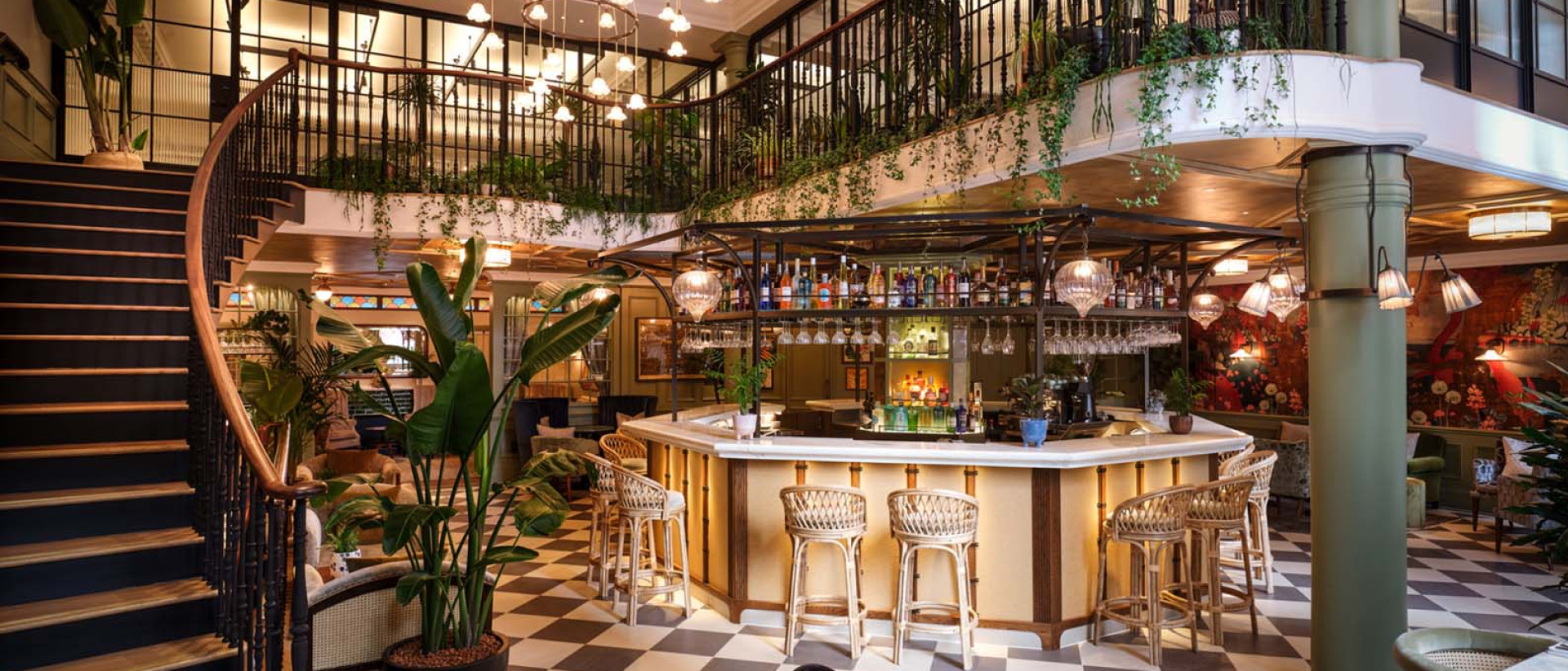
Pavilion is a private members’ club spread across four clubhouses in central London, Knightsbridge, the City, Kensington and Fulham, each with its own character, floor plan and events calendar. But membership is one thing: a member who joins at one club expects to book a meeting room, reserve a table or turn up to an event at any of the others without friction.
That’s a harder brief than it sounds. It meant a single digital platform had to carry the tone of a private club (the hush of a library, the buzz of a rooftop bar) while running live systems for applications, restaurant reservations, meeting rooms and events across four separate buildings at once. Pavilion asked UIC Digital to design and build that platform.
Designing for how members actually use the club
We led the UI design and frontend build across the website and native apps, working in close step with Ocubis, whose platform and APIs power the club underneath. Branding sat with a separate creative partner, but every screen a member actually uses, on web or in the app, was designed and built by us.
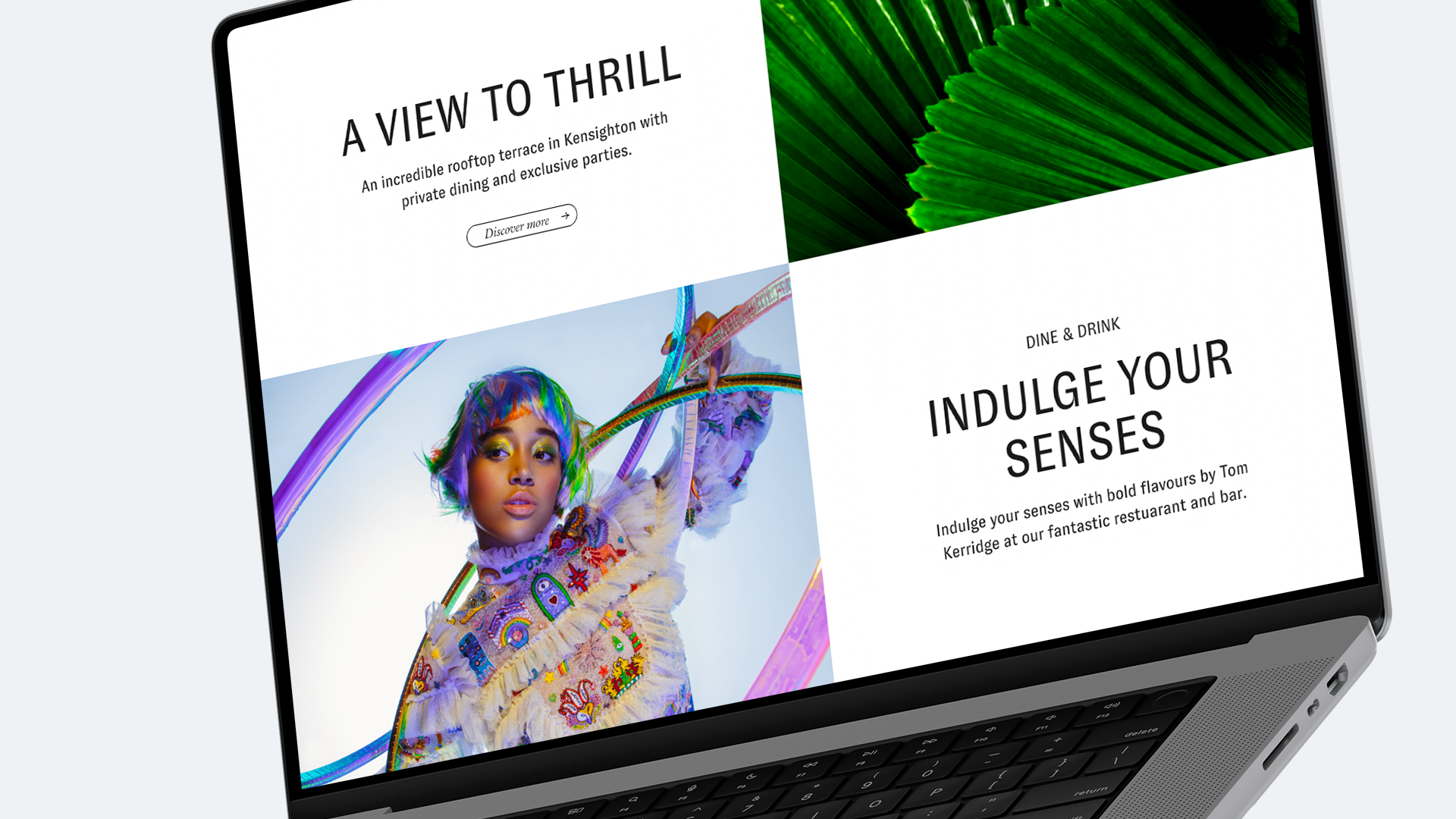
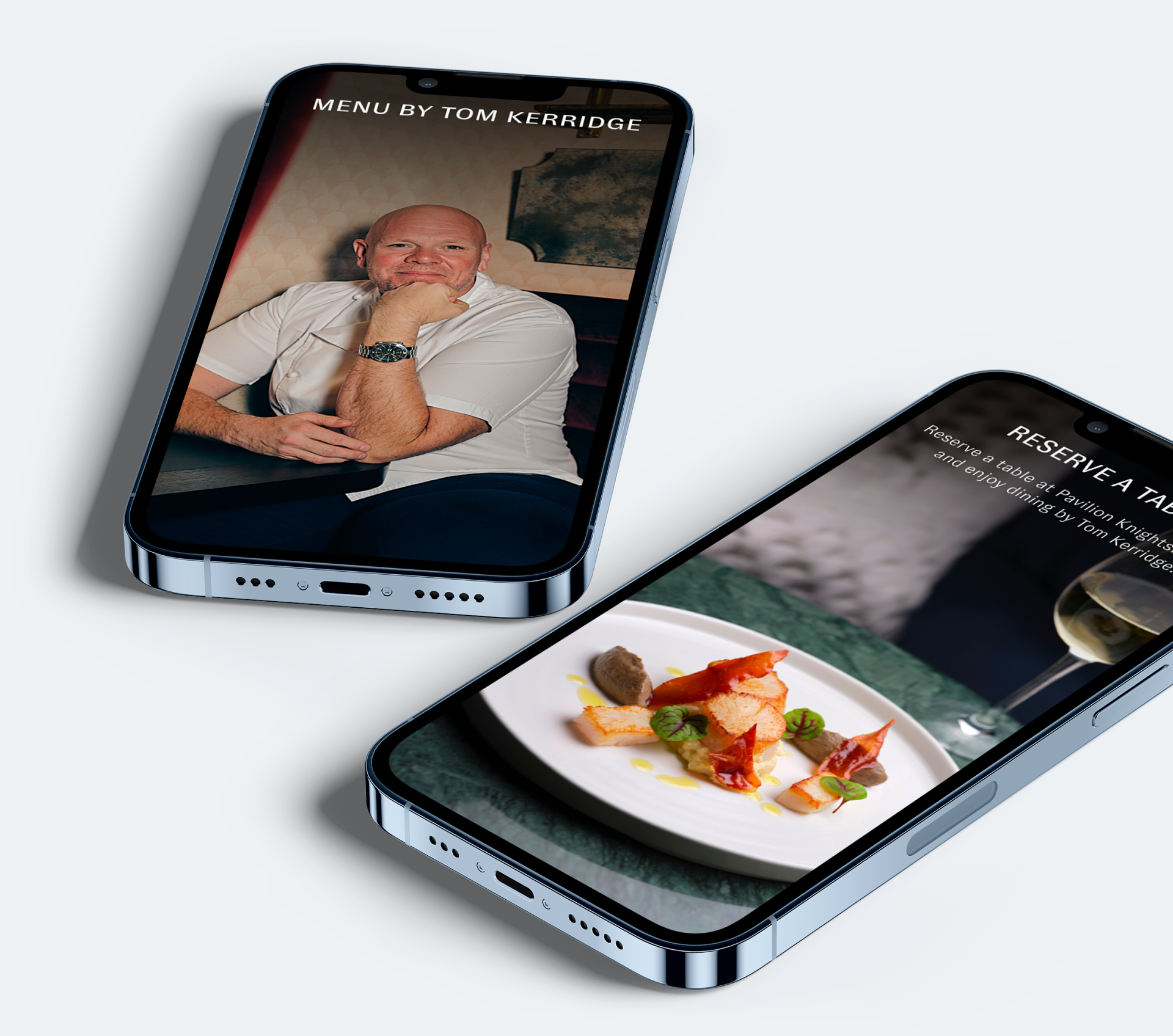
The website had to work hard in two directions at once, selling the club to people who’d never set foot in it, and quietly getting out of the way for members who just wanted to book a table or check what’s on. We designed the membership application as a single online flow rather than a form, and built the events section around filters by club and by category so members can find a wellness morning or a panel talk without wading through everything else on four different calendars. Booking a table plugs straight into OpenTable, so members get a familiar, reliable flow without us reinventing something that already works well.
The native iOS and Android apps carry the same experience members already know from the website, rebuilt screen by screen for a phone in hand at reception, a QR code to get through the door, one tap to book a room or a table, the same events carousel and location pages, so the app never feels like a lesser version of the site.
Underneath both sits the back office: a Members CRM as the single source of truth for every applicant and member, and a reservation and floor management system tied into the till so a booking, a seated table and a closed tab all stay in sync. We modelled each of these as a proper lifecycle, an application moves from applied to approved to active member, a reservation from pending to reserved to seated to closed, a meeting room booking from pending to booked to in use to closed, so the website, the apps and the staff screens never disagree about what’s actually happening on the day.
Built for the future
The website runs on headless WordPress, so Pavilion’s team can manage content, events and location detail once and have it reach the website and both apps without duplicating work. The website is built in React and the apps in React Native, sharing components across web and native rather than building the same screens three times. Both sit on top of Ocubis’s own platform and APIs, and as the back office grew more ambitious, our role grew with it, we ended up doing much of the hands-on engineering and problem-solving needed to get those systems over the line, working alongside Ocubis’s internal team rather than handing off and waiting.
Delivered, end to end
The result is a platform that holds four distinct clubhouses together without flattening any of them, live today and used across Knightsbridge, the City, Kensington and Fulham. What started as a frontend and design engagement grew into something closer to a full delivery partnership, UIC Digital involved in nearly every part of the build, working shoulder to shoulder with Ocubis’s team through to launch and beyond.