




- UX and UI design for a customer-specific banking front end
- Embedded as a core feature team inside a 30-plus team platform
- React Native across iOS, Android and web
- Initial requirements delivered in 6 months, engagement extended from there


The 10x platform
10x builds a cloud-native core banking platform that lets banks give their customers more timely, relevant and personalised experiences. It’s a big piece of technology, built by more than 30 delivery teams working across definition, architecture, backend, back office, integration and front end. We were brought in to work on one specific, high-visibility piece of it: the customer-facing front end.
The initial ask was narrower than what it became. We were asked to help finalise the UX and design for a customer-specific front end, and to lead front-end development across iOS and Android within 10x’s own engineering environment, working to the security and delivery standards a banking platform demands.
Development approach and front end build
Before adding to the codebase, we reviewed what was already there. That review led us to change the development approach itself, introducing peer code review, standardising development practices, and tightening things up to the security standards the platform required. Only once that foundation was in place did we start building out the front end properly.
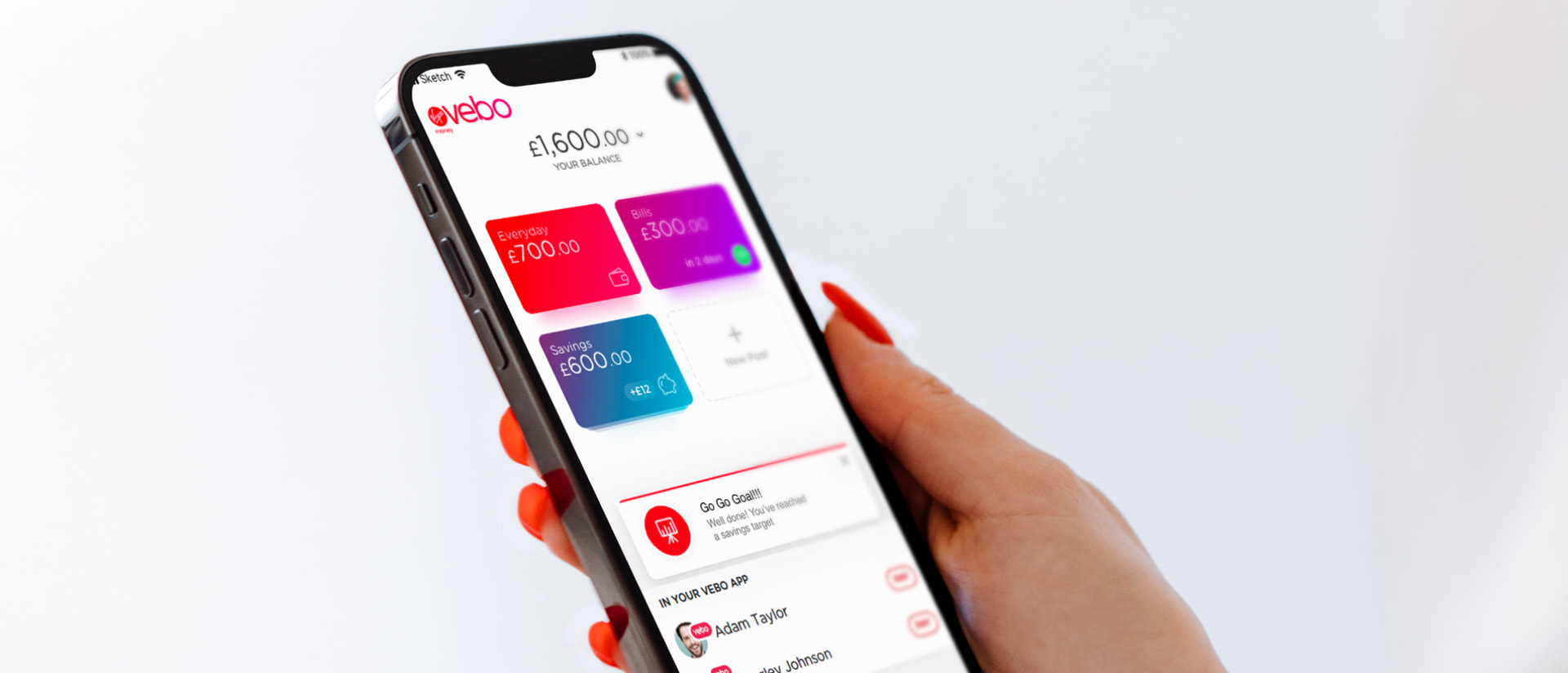
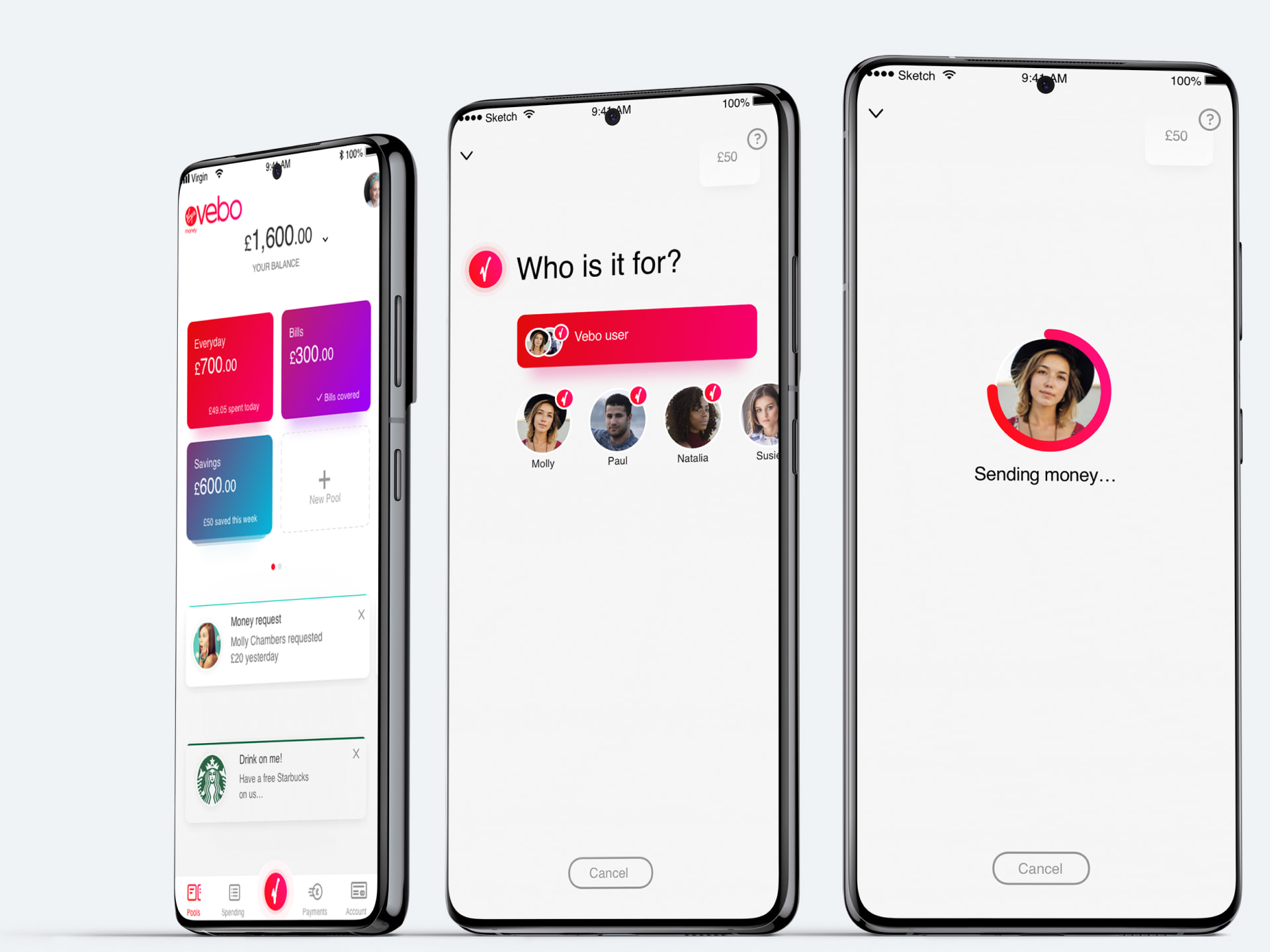
What we designed and built covered the everyday shape of a banking app: secure onboarding with online identity verification, account management through a clean, configurable interface, and the social banking features that made the product feel modern rather than purely transactional, sending money to a contact, splitting a bill, requesting a payment. Later iterations added smart spending insights, surfacing where a customer’s money was going in a way that felt helpful rather than like a bank lecturing them.
Scope, timeline and how the engagement grew
We delivered the initial requirements within six months. Rather than closing out, the engagement was extended, and we moved from delivering a defined piece of work to sitting inside 10x as one of their core feature teams. From there we led front-end development for both a client-specific delivery and a white-label offering built on the same componentised, microservice architecture, working as part of 10x’s team rather than alongside it.
Technology
The front end was built in React Native, sharing a componentised, configurable UI architecture across web, iOS and Android rather than three separate builds. That configurability mattered as much as the code itself: it’s what let the same front end serve both a named client’s app and a white-label product from the same underlying components, inside a platform built on microservices from the ground up.

